Water damage restoration
A burst pipe, a failed water heater, a roof leak or a sewage backup. We get the water out, find what's still wet behind the walls and dry it properly — to the IICRC S500 standard, not by guesswork. Serving Southern California. Call (888) 927-9770.
What to do right now
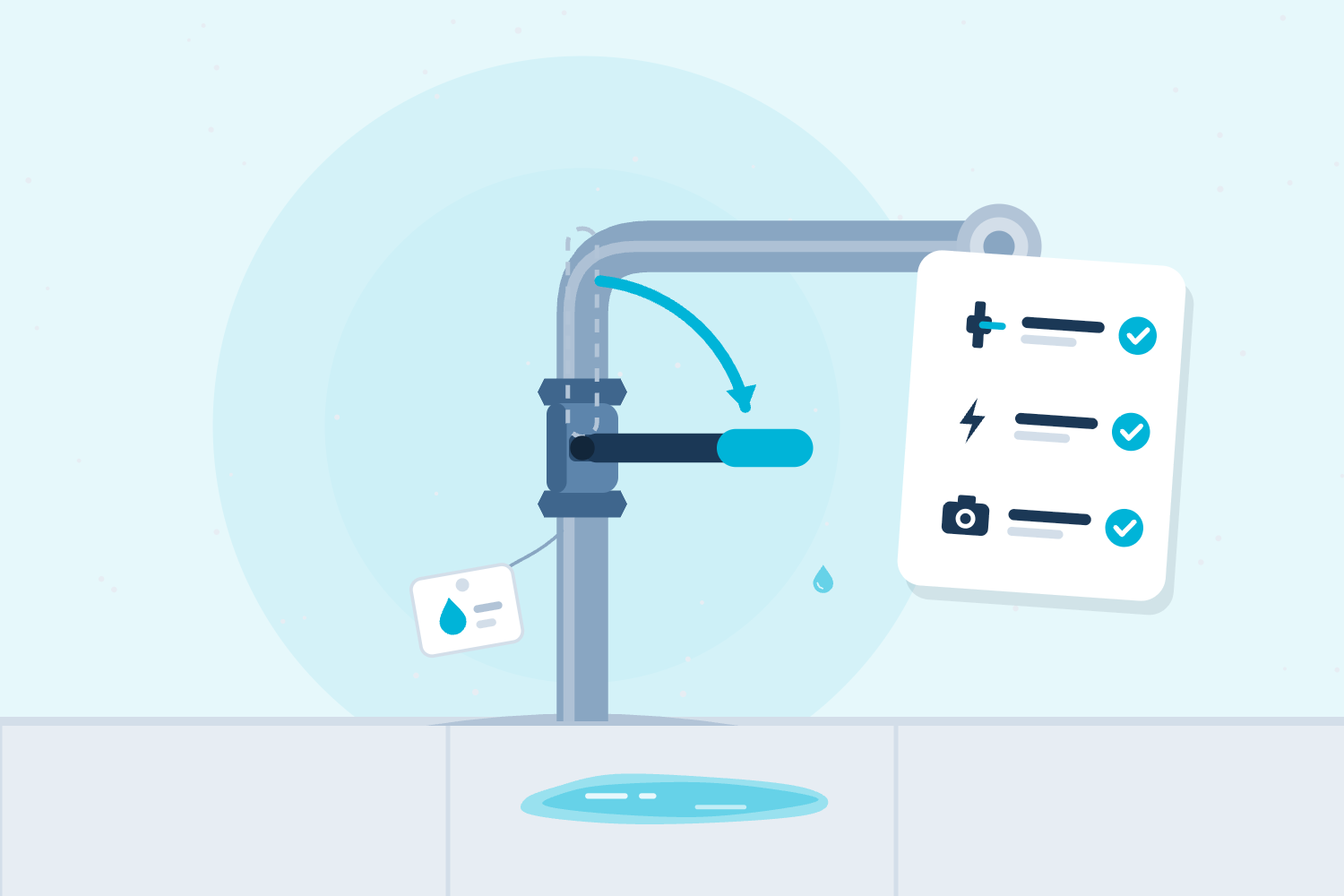
Shut off the water at the main if you can do it safely.
Turn off power to wet rooms at the breaker — never stand in water to do it.
Take photos and video before anything is moved.
Move valuables, rugs and electronics out of wet areas.
Call your insurer to open a claim, then call us.
Not all water is the same
Clean water (Category 1) — supply lines, faucets. Lowest risk if handled quickly.
Gray water (Category 2) — washing machines, dishwashers, toilet overflow without waste. Contains contaminants.
Black water (Category 3) — sewage, outside floodwater. Porous materials it touches usually have to be removed.
Clean water left sitting can turn into gray or black water — one more reason speed matters.
Our process
Inspection and moisture mapping with meters and thermal imaging.
Water extraction.
Removal of materials that can't be saved, with testing first when the building calls for it.
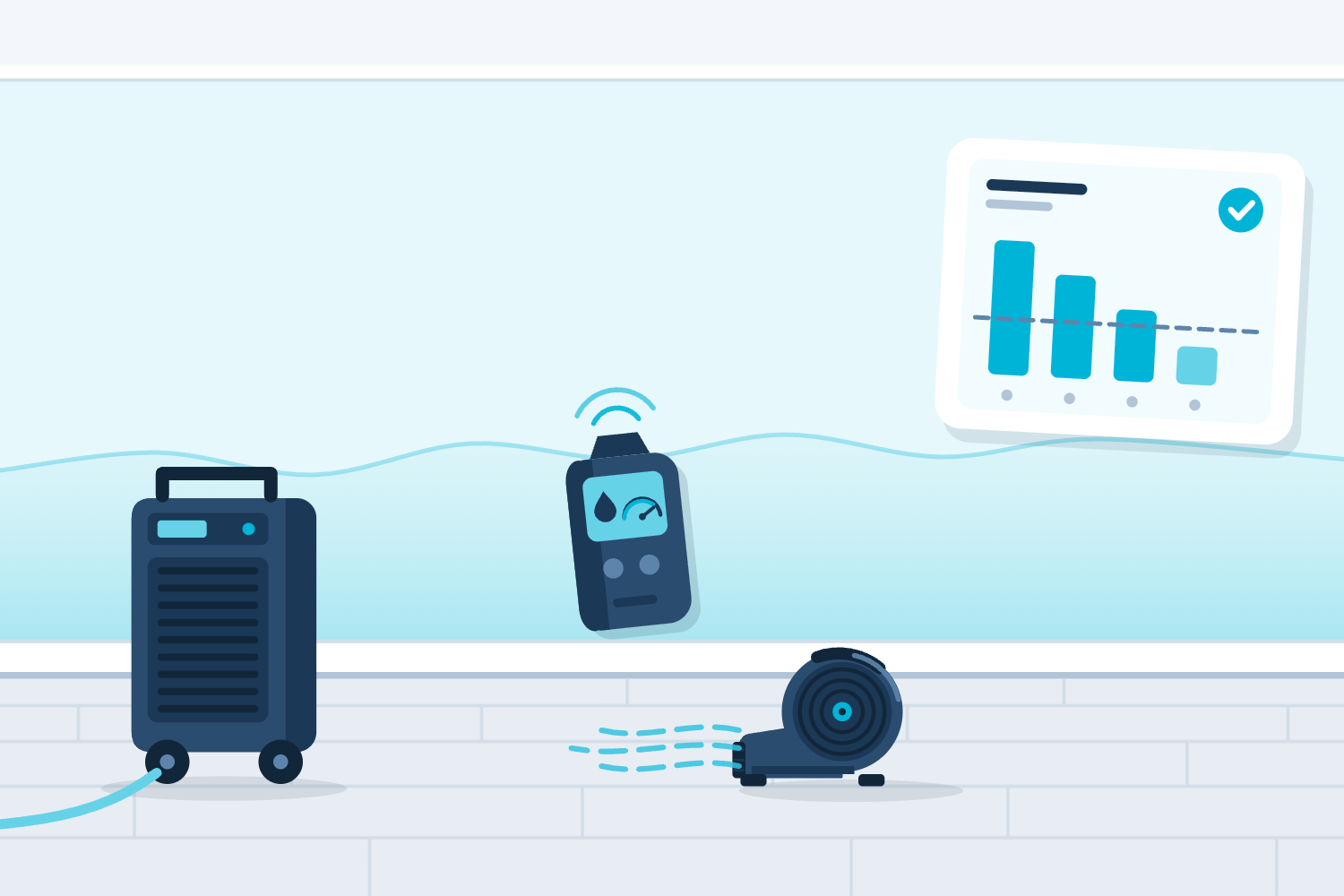
Structural drying with dehumidifiers and air movers, checked with daily moisture readings.
Cleaning and antimicrobial treatment where needed.
Repairs and rebuild through licensed trades.
Water that sits can lead to mold — see mold remediation. Questions about insurance? See how it works.
-
Often three to five days. We go by moisture readings, not the calendar, and stop when materials reach their dry standard.
-
Sudden, accidental leaks are commonly covered. Slow leaks and outside flooding often are not; flood damage usually needs a separate flood policy. Your policy decides — we document everything your adjuster needs.
-
Usually, for clean-water losses. Areas with sewage are closed off until they are cleaned.
-
Only where moisture readings show they have to be. Cutting a strip at the base of a wall often saves the rest.
Water damage guides
What to do in the first hour, how drying works, and when to call a pro. See all guides