
The fire is out and the trucks are gone. Now you're standing outside your home, wondering what comes next.
This guide walks through the first days after a house fire, in order. Then it explains the fire damage restoration process, so you know what to expect.
When can you go back inside after a house fire?
Only when the fire department says it's safe. The U.S. Fire Administration (USFA) is direct: "Do not enter your damaged home or apartment unless the fire department says it is safe."
Leave the utilities alone, too. The fire department will make sure water, electricity and gas are safe to use.
If they aren't, firefighters will have them turned off or disconnected before they leave. Don't try to turn them back on yourself.
If you leave your home, call the local police department and let them know it will be vacant. Relief groups like the American Red Cross or the Salvation Army can help you find food, clothing, medicine and a place to stay.
Who should you call first after a fire?
Call your insurance company. USFA says to contact your insurer right away and ask what to do first.
Write down the fire incident report number and the name of the fire marshal or investigator. USFA's After the Fire booklet has a space for each.
Then start a claim folder:
Photos. Take photographs of the damage, as the Red Cross advises.
Receipts. Save receipts for everything you spend. The California Department of Insurance (CDI) says to keep receipts for all relocation costs, like housing and food.
Call notes. CDI suggests documenting every conversation with your insurer or adjuster.
You also get to choose who restores your home. California's claims regulations say an insurer can't require you to have your home repaired by a specific person or company.
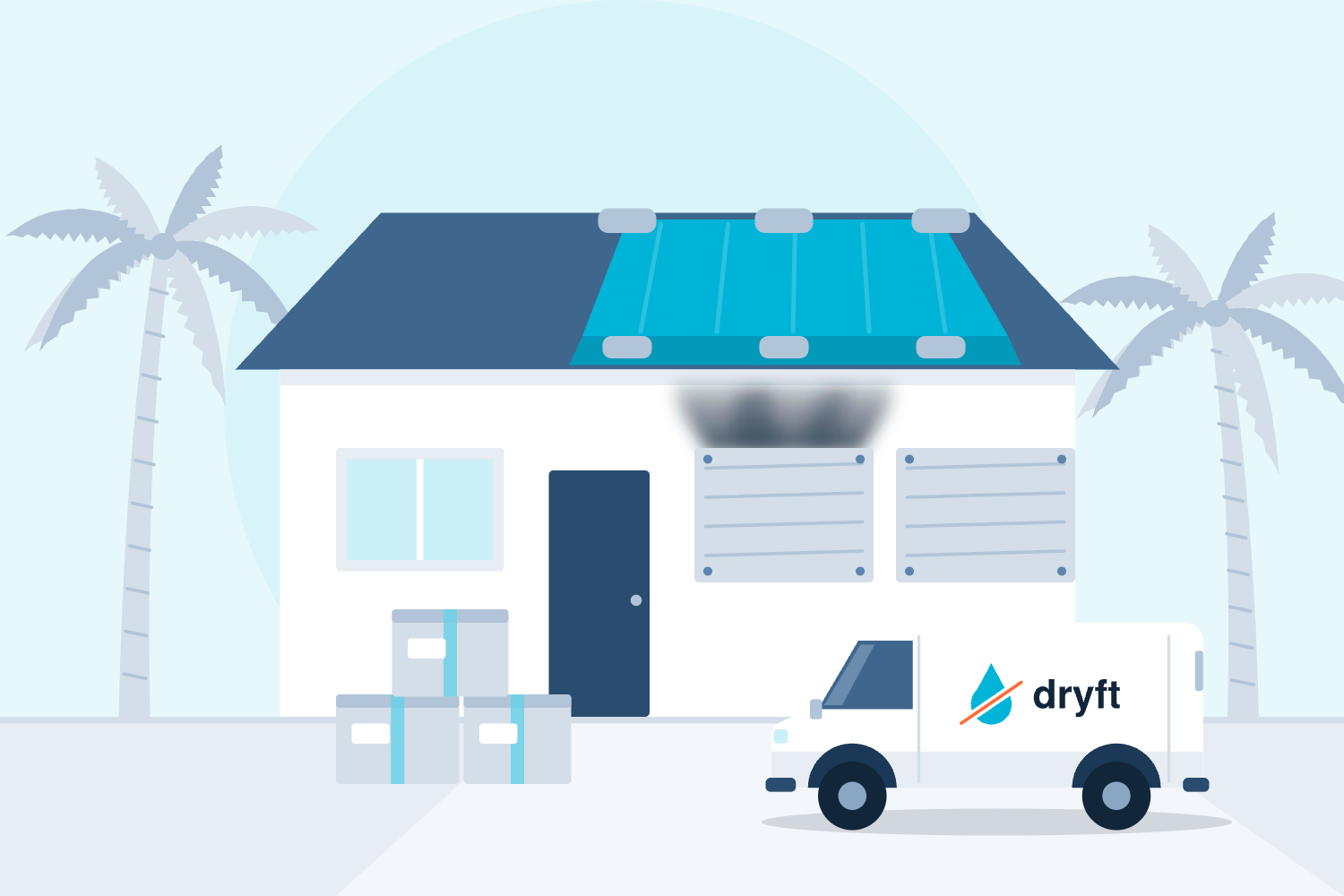
Why board up and tarp the house right away?
Firefighters may have cut holes in your walls to make sure the fire was completely out. USFA notes you may also need to board up windows and doors so no one can get in.
Your insurer expects you to protect the property. CDI says homeowners policies may not cover ensuing damage if you haven't taken reasonable steps to secure the property.
CDI suggests covering damage in the roof, walls, doors and windows with plastic sheeting or plywood. It says insurers reimburse reasonable costs to protect your property, as long as you save receipts. Just don't put your own safety at risk.
Board-up and roof tarping are among the first things we do on a fire job.
What should you throw away after a house fire?
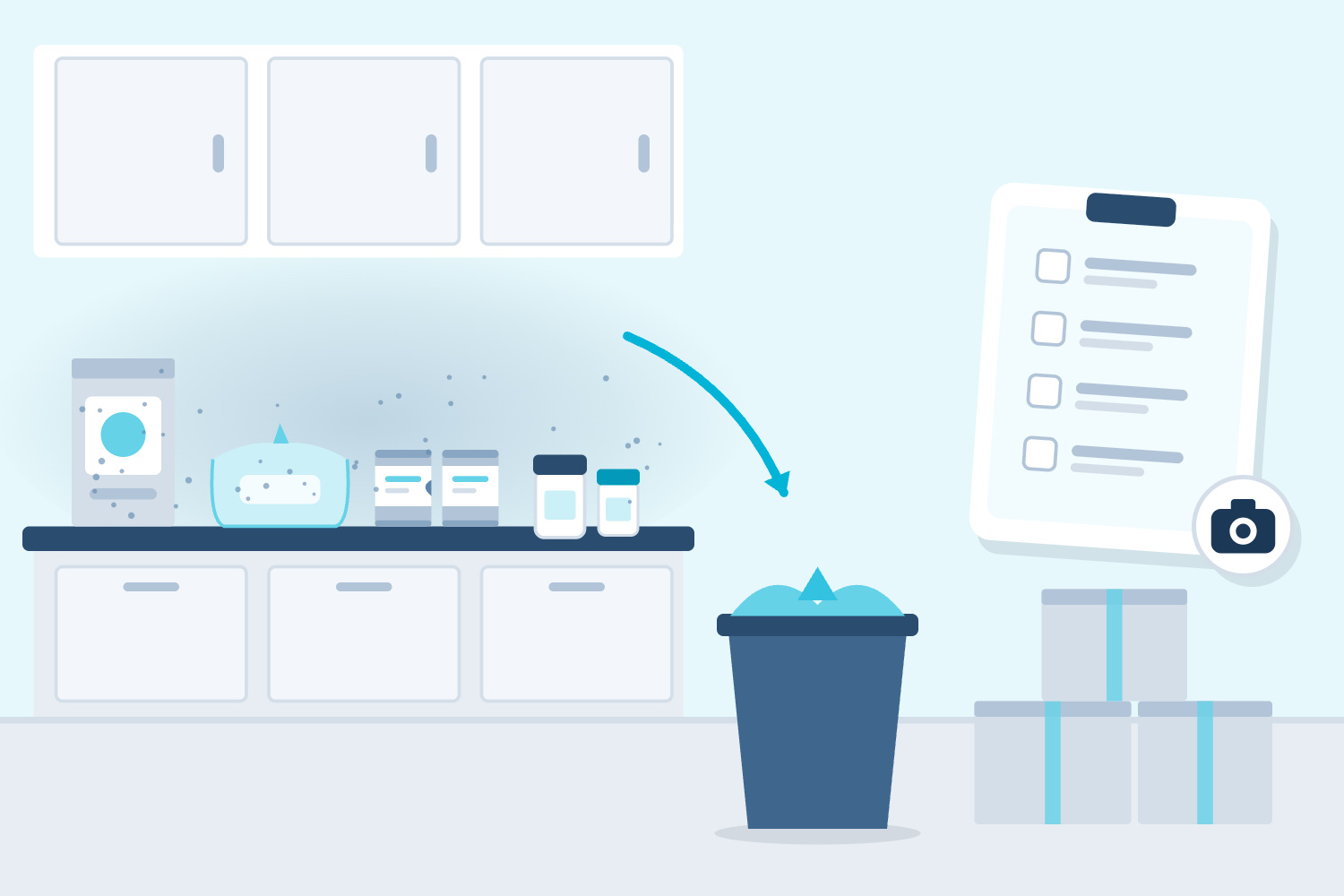
Start with food and medicine. Hold everything else until your adjuster weighs in.
Food near the fire. USDA says heat, smoke fumes and firefighting chemicals can all compromise food. Discard food exposed to smoke fumes.
Packaged and fridge food. Toss food in permeable packaging like cardboard or plastic wrap. Fridge and freezer food can be contaminated too, since the seal isn't airtight.
Cans and jars. Heat can activate spoilage bacteria. Extreme heat can split or rupture cans and jars, making the food unsafe.
Food touched by firefighting chemicals. USDA says the chemicals can't be washed off.
Medicine. The Red Cross says to throw away food, beverages and medicine exposed to heat, smoke or soot.
For everything else, wait. The Red Cross says not to discard damaged goods until an inventory has been taken. CDI says not to throw out damaged items until your adjuster tells you to.
The Red Cross also suggests taking pictures of items you discard.
What are the steps of fire damage restoration?
Fire and smoke restoration has its own industry standard: ANSI/IICRC S700, the Standard for Professional Fire and Smoke Damage Restoration. IICRC lists it as a first edition, 2025.
The standard covers assessing fire residues and odors in a building, its HVAC system and its contents. It also covers restoration cleaning and fire odor management.
Here's the order we follow on a typical fire job:
Assessment. We trace where smoke and soot traveled and photograph everything. USFA notes that things the fire didn't damage may still be ruined by smoke.
Board-up and tarp. We secure openings and cover roof damage to prevent further loss.
Water removal and drying. Firefighting leaves soot and dirty water behind, and wet materials can grow mold. CDC's mold cleanup tips say to dry a home and everything in it within 24 to 48 hours if you can.
Soot and smoke cleaning. We remove loose soot with dry methods first, then move to wet cleaning.
Contents pack-out. We inventory, pack and move belongings out for cleaning or storage. USFA notes there are companies that specialize in cleaning and restoring personal items.
Odor removal. Odor can reach the structure, the HVAC system and contents, so treatment covers all three. If ozone is used, people and pets stay out. EPA notes that no federal agency has approved ozone generators for use in occupied spaces.
Rebuild. Removed materials are replaced, and the home is put back together.
See how it works for what each step looks like with Dryft, or learn more about our fire and smoke damage restoration service.
How do you hire a fire restoration contractor in California?

California has clear rules for home repair contracts. Four to know:
Get it in writing. Home improvement contracts over $500 must be in writing and signed (Business and Professions Code § 7159). USFA also suggests getting a cost estimate in writing.
Watch the down payment. In most cases it can't be more than $1,000 or 10% of the contract price, whichever is less (CSLB).
Check the license. Look up any contractor on CSLB's Check A License page.
Know your cancel window. Was the disaster declared an emergency by the President, the Governor, or your city or county? Then a contract to repair or restore your home must include a "Seven-Day Right to Cancel" notice. You can cancel until midnight of the seventh business day after you get a signed, dated copy (§ 7159(e)(7); see also Civil Code § 1689.6(c)).
Questions about any step? Contact us, and we'll walk through it with you.
Related: Wildfire smoke damage: cleaning up a house that didn't burn
Sources
American Red Cross North Texas: What to Do After a Home Fire
California Department of Insurance: Residential Property Claims Guide
California Department of Insurance: Top Ten Tips for Wildfire Claimants
IICRC: S700 Standard for Professional Fire and Smoke Damage Restoration
CSLB: Terms of Agreement, A Consumer Guide to Home Improvement Contracts