
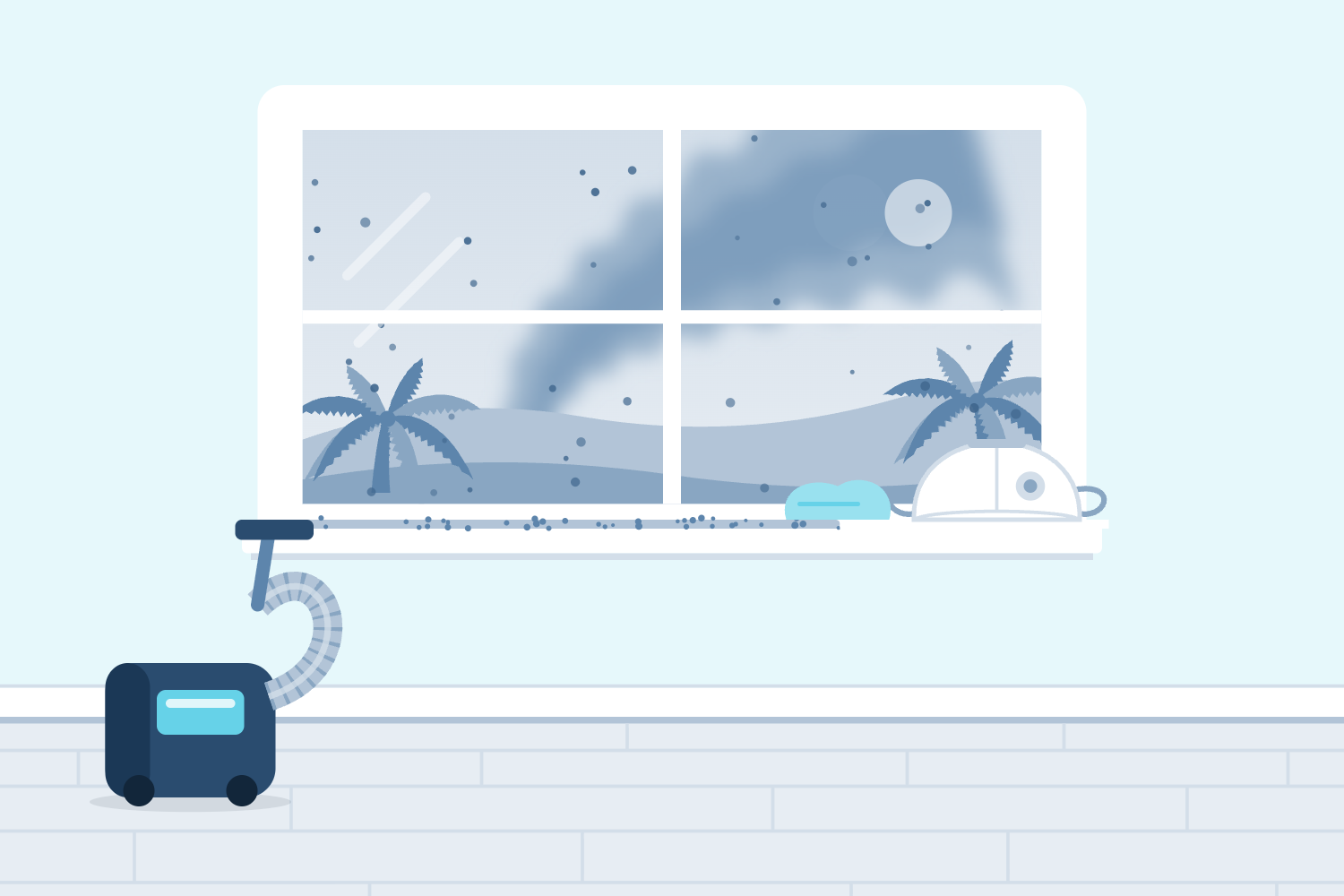
The fire stopped short of your street. Your house is standing. But it smells like a campfire, and gray dust coats the windowsills.
You're not alone. When they passed a new smoke damage law, California lawmakers found that recent wildfires left thousands of homes damaged by smoke, soot and ash.
Here's how to clean up safely, what to keep or toss, and what to document for your insurance claim.
Is it safe to clean up wildfire ash yourself?
Start with timing. CDC says not to return home until authorities say it is safe.
Then respect the ash. EPA says ash from burned buildings generally contains more harmful chemicals than forest ash. Its list includes metals like lead and arsenic, plus PAHs, dioxins and furans.
Gear up before you start:
Respirator. Use a NIOSH Approved N95 or P100. EPA says surgical masks and one-strap dust masks won't protect your lungs.
Skin and eyes. Wear work gloves, long sleeves, long pants, socks, sturdy shoes and goggles.
Who sits it out. CDC says children should not do any cleanup work. EPA adds that people with heart or lung disease, older adults and pregnant women should not take part.
Pets. Keep pets away from ash, and clean it off them if they get into it.
If ash gets on your skin, wash it off as soon as you can.
How do you clean ash and soot inside the house?
The goal is to pick ash up without putting it back in the air.
Skip the leaf blower. EPA says never use one.
Skip dry sweeping and dusting. EPA says to avoid both. LA County Public Health warns that dry sweeping can spread ash and soot.
Use a HEPA vacuum. CDPH says shop vacuums and regular vacuums can blow small particles into the air.
Go damp. Wipe lightly dusted areas with a damp cloth or wet mop. Before sweeping hard surfaces, mist them with a little water to keep dust down.
Bag it. Put collected ash in plastic bags. Don't wash it into storm drains.
Should you change your HVAC filter after wildfire smoke?
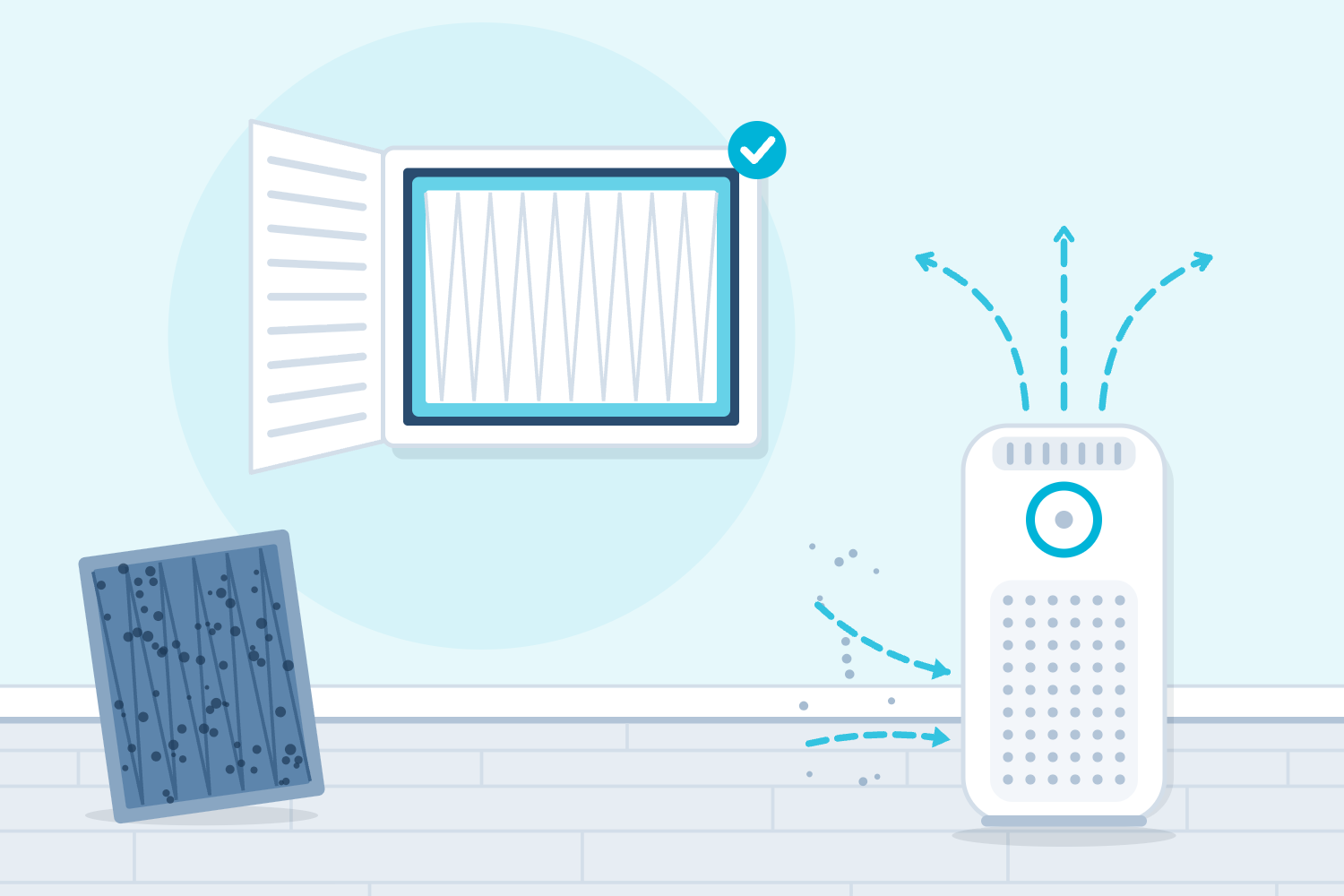
Yes, but not first. LA County Public Health says not to turn on your HVAC system until the bulk of the soot and ash is cleaned up.
Then replace the filter with one rated MERV 13 or higher, and run the system on recirculate. EPA also suggests an air cleaner to capture lingering fine particles.
For moderate smoke damage, FEMA's smoke damage guide recommends having all ducts and the furnace professionally cleaned.
Can you save smoky clothes, furniture and food?
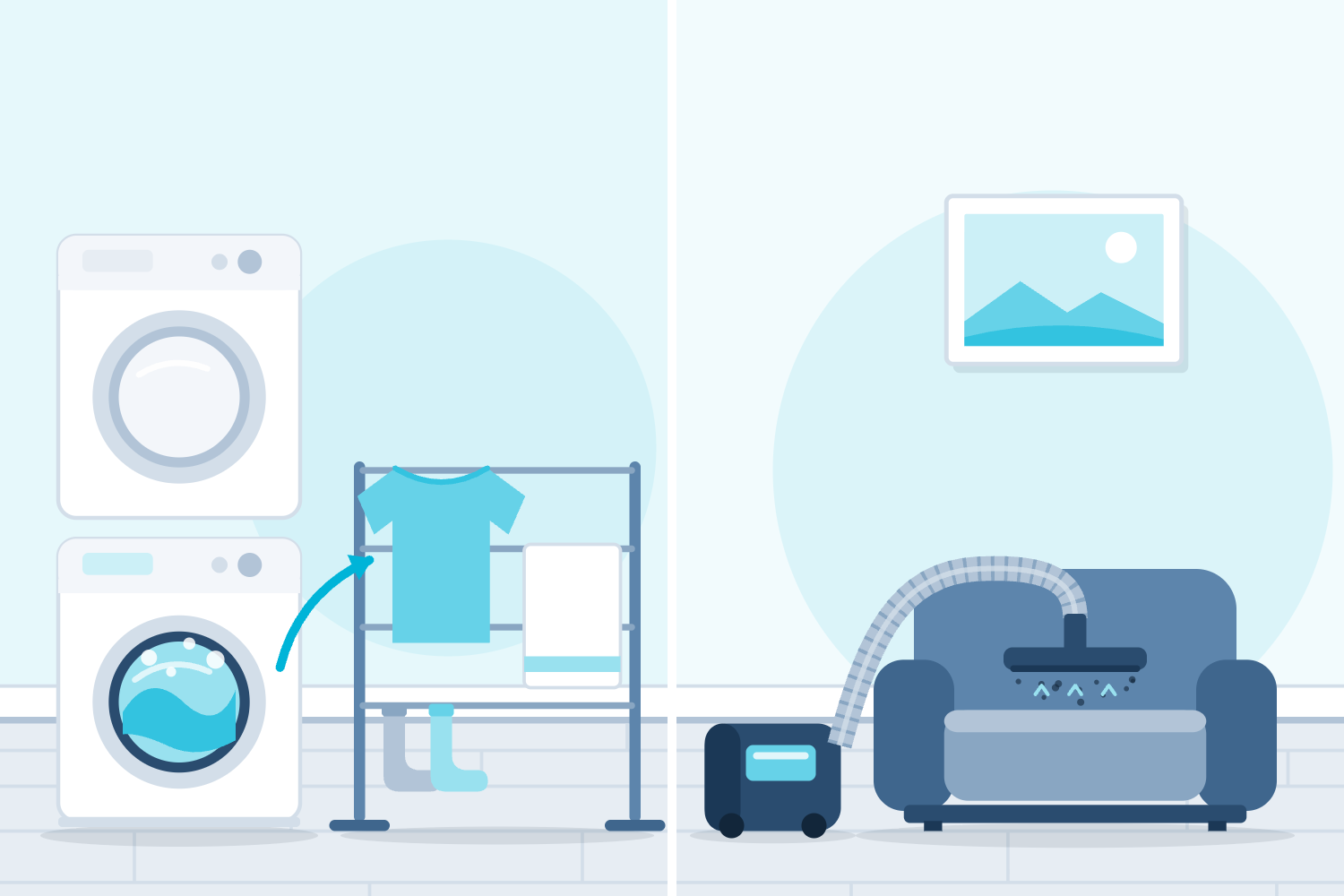
Many fabrics, yes. EPA says items that can be thoroughly washed, like clothing, bedding and drapes, can be safely cleaned. Food and medicine are a different story.
Clothes and linens. Shake visible soot off outdoors before washing. Skip the dryer until the smoke smell is gone, since LA County warns heat can set it permanently.
Upholstery and carpet. HEPA-vacuum just above the fabric, then steam clean, and HEPA-vacuum carpets and rugs. LA County says to dispose of items that can't be adequately cleaned.
Toys. Clean ash off children's toys before they play with them.
Food. USDA says to discard food exposed to smoke fumes from a fire, including food in permeable packaging like cardboard or plastic wrap. Fridge food can be affected too, because the seal isn't airtight.
Medicine. The Red Cross says to throw away food, beverages and medicine exposed to heat, smoke or soot.
Photograph items before you toss them. You'll want those photos for your claim.
How do you get rid of the smoke smell?
Start with the cleaning steps above. Skip air fresheners, though. FEMA's guide says to avoid odor-masking products and perfume-based odor counteractants.
LA County Public Health puts it plainly: a noticeable smoke odor means you likely have some level of smoke damage. Depending on the extent, it says a professional evaluation may be appropriate.
For that evaluation, the county points to certified environmental or industrial hygiene specialists, IICRC- or RIA-certified pros, and people with specialized smoke damage training. Its list of more extensive steps includes repainting walls to seal in odors, HVAC duct cleaning, and thermal fogging or ozone treatment.
A note on ozone. EPA says no federal agency has approved ozone generators for use in occupied spaces. If a crew uses ozone, people and pets should be out of the house.
This is the work our fire and smoke damage restoration team does, from soot removal to odor control.
Does insurance cover wildfire smoke damage?
Coverage depends on your policy. Good records help either way.
Photograph the damage. The California Department of Insurance (CDI) also says not to throw out damaged items until your adjuster tells you to.
Keep a claim diary. CDI suggests documenting every conversation with your insurer or adjuster.
Save receipts for living expenses if you have to stay somewhere else.
Pick your own contractor. California's claims regulations say an insurer can't require you to have your home repaired by a specific person or company.
We document smoke damage with photos and notes, and send your adjuster the documentation and estimate for our work. We don't negotiate your claim. For questions about the claim itself, CDI's consumer hotline is 800-927-4357.
California's new smoke damage law
AB 1795, the Smoke Damage Recovery Act, was signed on September 15, 2026. CDI says its first provisions take effect January 1, 2027, with others following in 2028 and 2029.
For covered wildfire smoke claims on homes in a wildfire impact zone, here's what the chaptered text says:
A smoke presumption. Smoke damage in a surviving home in the wildfire impact zone is presumed to come from that wildfire. That applies when wildfire smoke, ash, soot, char or combustion byproducts are present. The presumption can be rebutted.
The zone. A "wildfire impact zone" is a ZIP Code within or partly within the fire perimeter.
Testing. Insurers must cover the cost of sampling and testing needed to restore the home and clear it for occupancy. Testing follows state rules and your policy terms.
Estimates. An insurer's estimate must restore the home to no less than its pre-loss condition and clear it for occupancy. If the insurer settles your claim on that estimate, it must give you copies of the documents behind it.
Living expenses. Insurers can't cut off additional living expenses on a covered smoke claim in the zone until the home is restored and cleared for occupancy. Policy limits still apply.
Your choice. You have the right to select the vendor or contractor who restores your home.
These testing, estimate and contractor-choice rules (Insurance Code § 2060.2) apply to claims that occur on or after January 1, 2027. The detailed state testing rules aren't due until 2028 and 2029. Until then, the companion law, AB 1642, sets interim standards for some contaminants.
Not sure where to start? See how it works, or contact us to set up a walkthrough of your home.
Related: After a house fire: what happens next, step by step
Sources
LA County Public Health: FAQs, Properties Just Outside Burned Areas
LA County Public Health: Smoke Damage and Reducing Risk Indoors After the Wildfires
FEMA: Homeowner's Guide to Risk Reduction and Remediation of Residential Smoke Damage
California Department of Insurance: Residential Property Claims Guide
California Department of Insurance: Top Ten Tips for Wildfire Claimants
California Department of Insurance: Governor signs consumer protection package (Sept. 30, 2026)