
Water, fire and mold restoration across Southern California
Trouble drifts in. Dryft clears it out. One crew from the first call to the final walkthrough.
Three numbers worth knowing
Facts we work by, not sales lines. The sources are in our guides.
24–48 hours
The EPA’s window to get wet materials drying before mold takes hold. The clock starts when the water does, so call early.
3–5 days
How long structural drying usually takes. We go by moisture readings, not the calendar, and log them until materials reach their dry standard.
$1,000 max
California caps a home-improvement down payment at $1,000 or 10% of the price, whichever is less. We follow it, and you get a written estimate before any work beyond emergency mitigation.
What happened?
Pick the closest match. Not sure? Tell us what you see and we'll tell you what it is.
Water
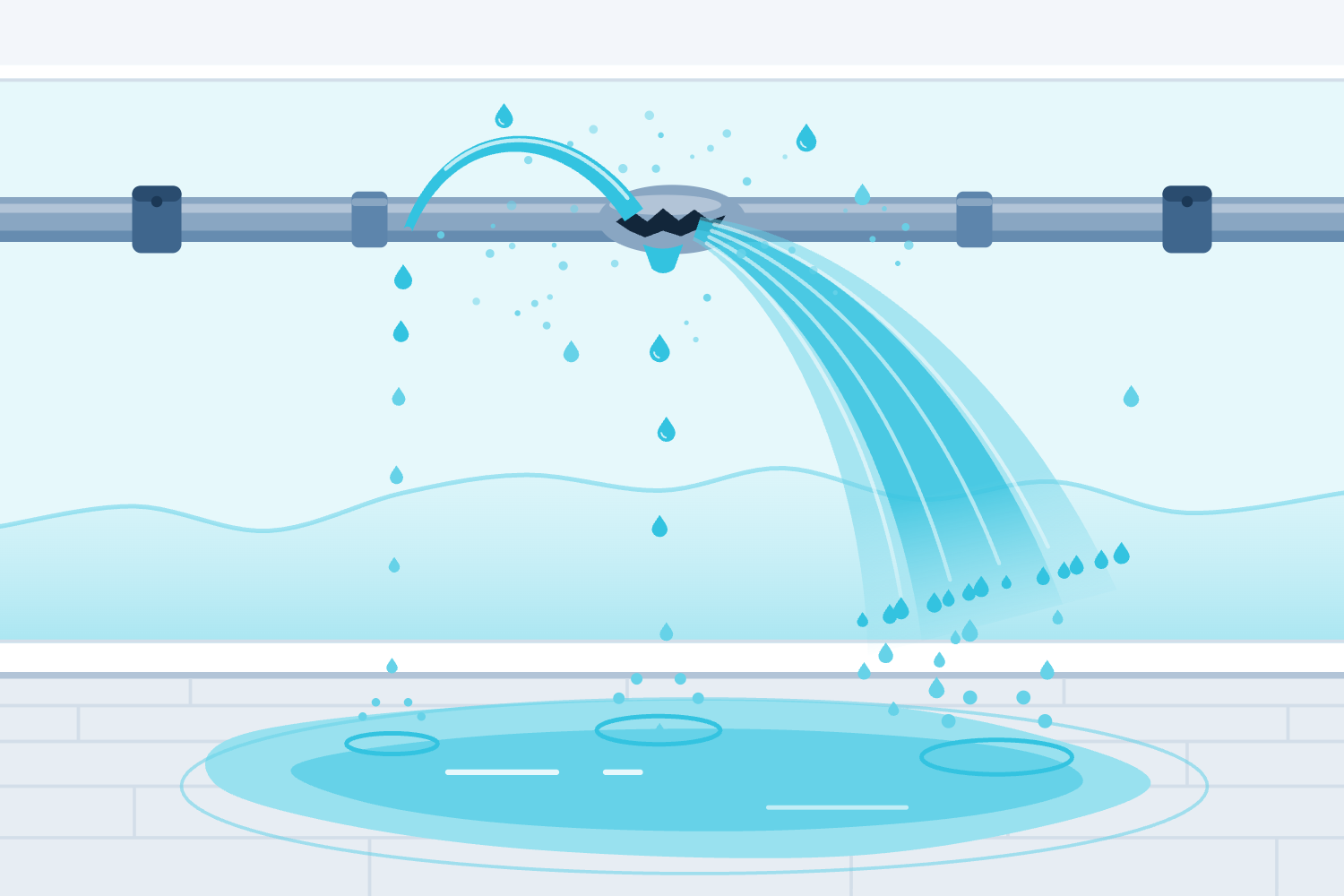
Leak, burst pipe, flood or sewage backup.
We shut off the source, extract the water, map the moisture and dry the structure to the IICRC S500 standard, then repair what had to come out.
Fire & smoke
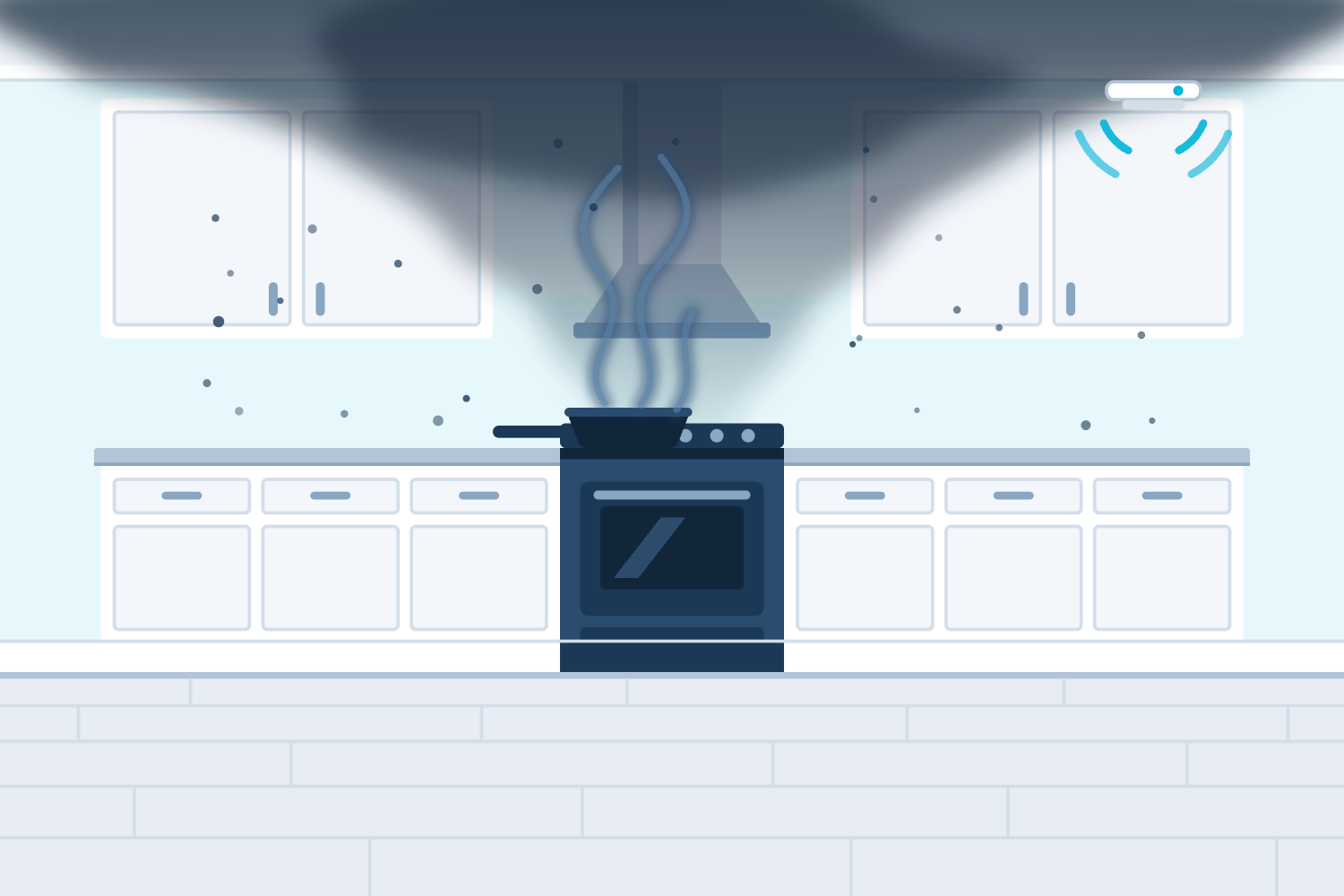
Fire, soot, smoke odor or wildfire smoke.
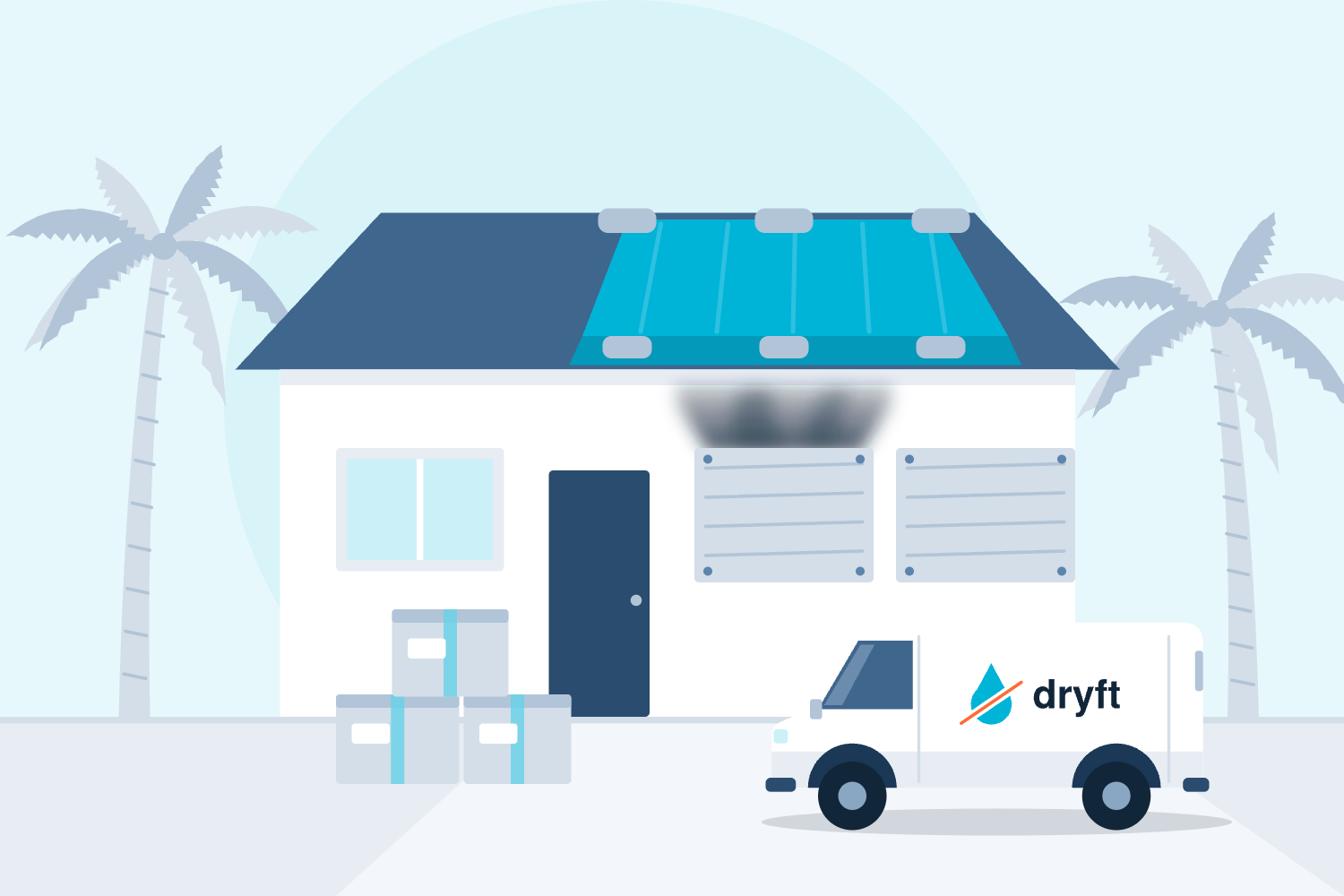
Board-up and tarping, soot and smoke cleaning, odor removal, contents pack-out and the rebuild, coordinated by one crew.
Mold
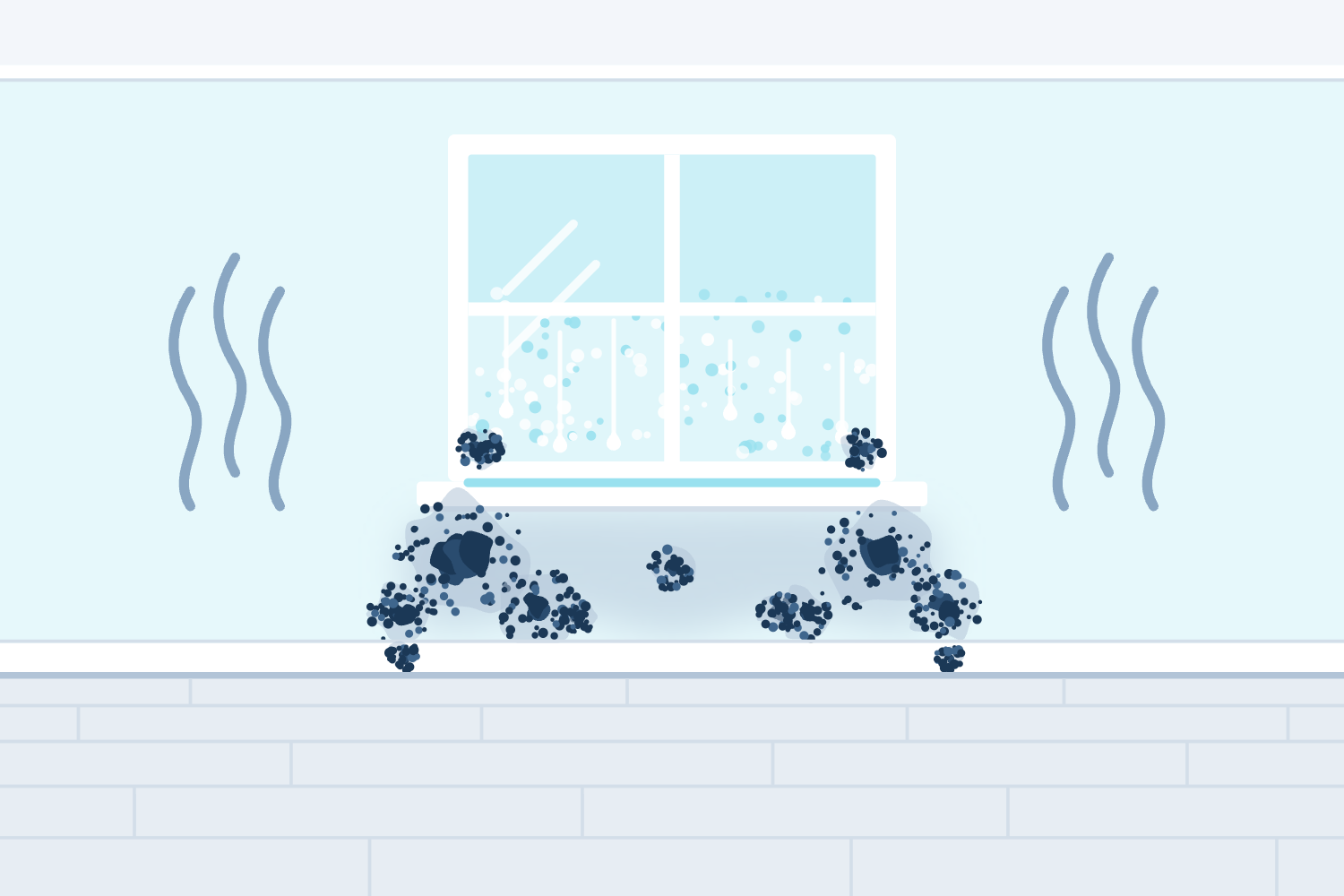
Visible growth or a musty smell that won’t go away.
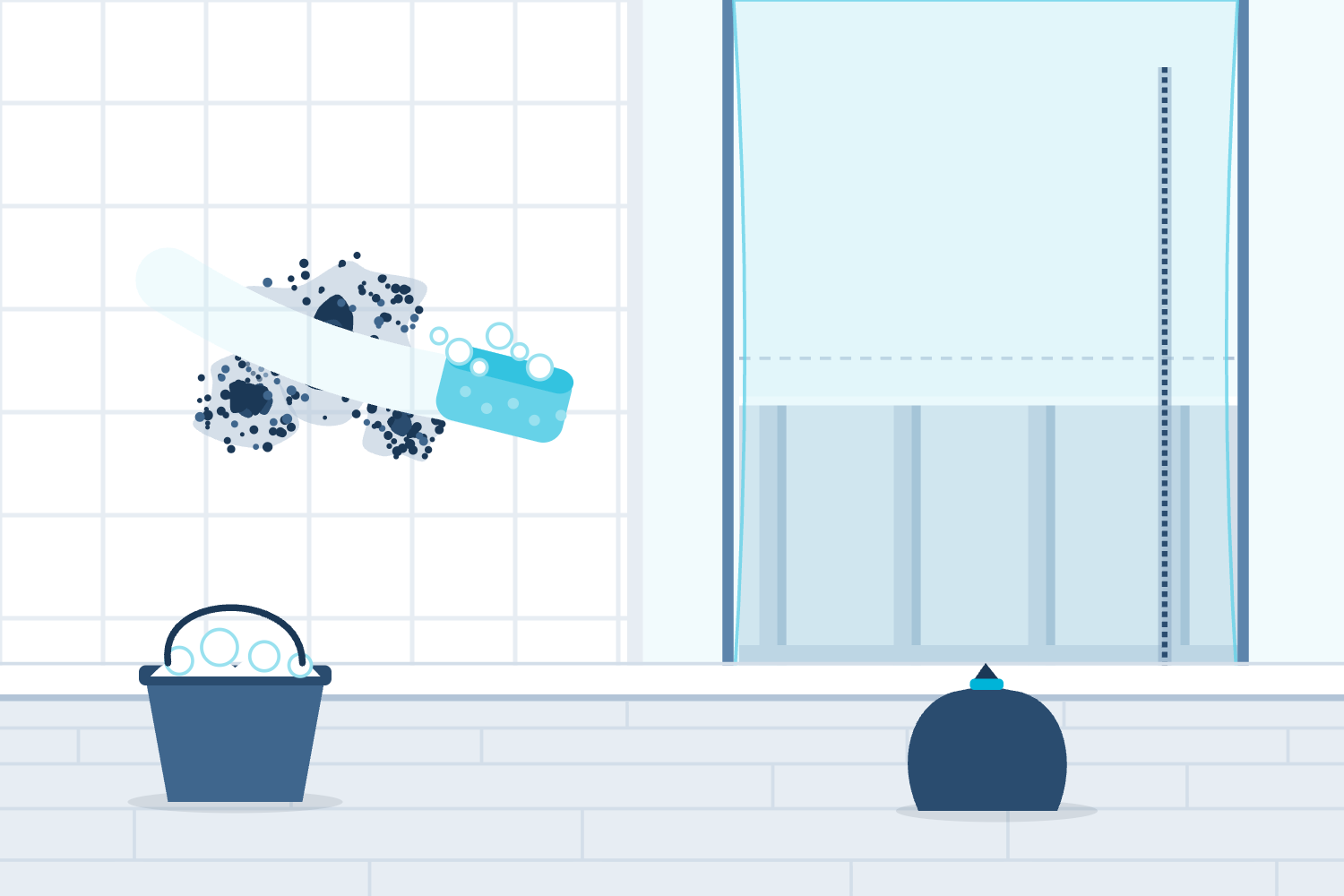
Containment, HEPA filtration and removal to the IICRC S520 standard, with independent clearance testing before anything is closed up.
The first 24 hours matter
Wet drywall, flooring and cabinets break down fast, and mold can take hold in damp materials within a day or two. The sooner the water is out and drying starts, the less has to be torn out, and the smaller the claim.
Do this now
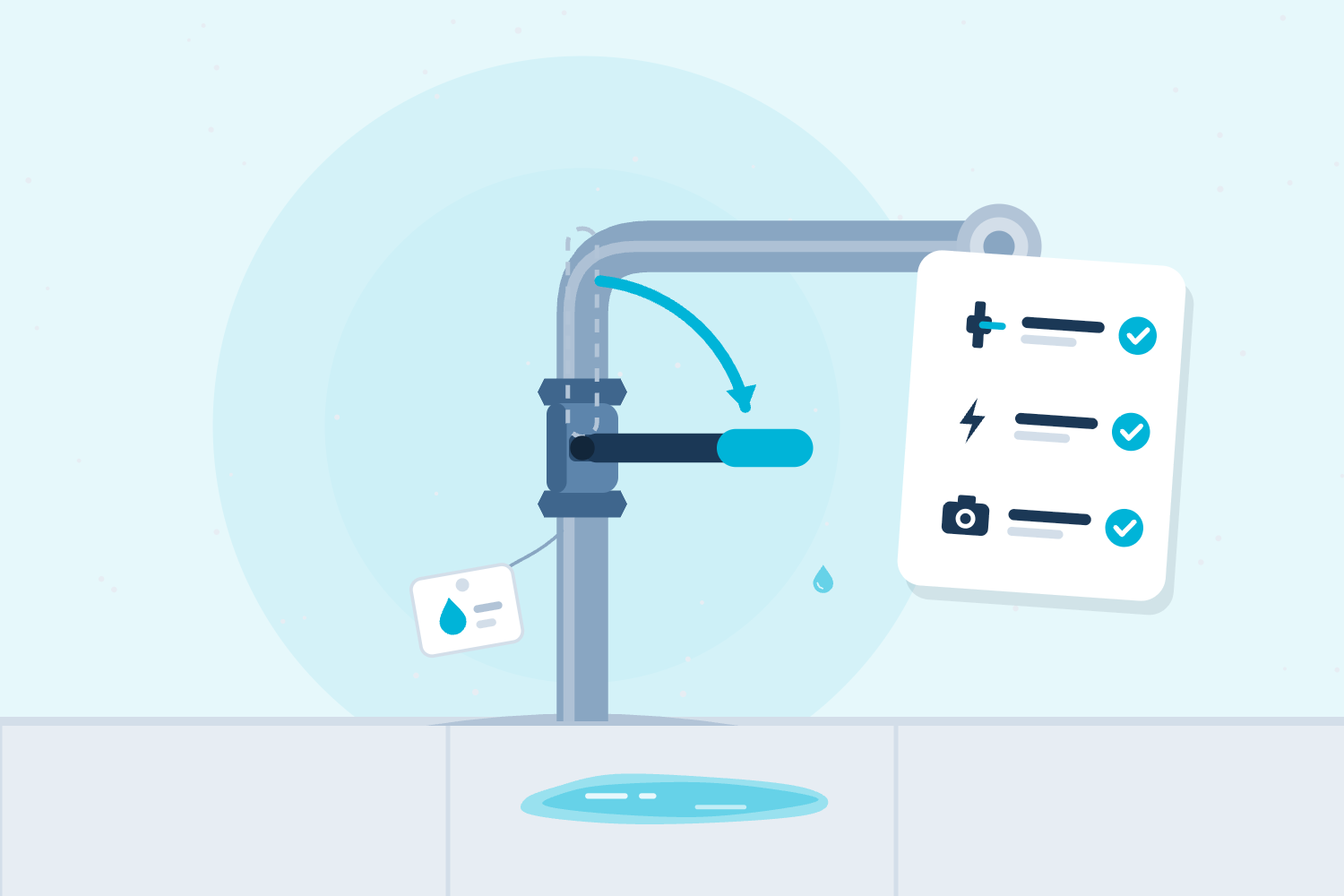
Stop the source. Close the main water valve. After a fire, stay out until the fire department says it is safe. How to find the valve →
Stay clear of wet electrical. Turn off the breaker only if you can reach it from a dry spot.
Photograph everything before you clean up or move anything.
Don’t throw anything out until your adjuster says so. What to keep after a fire →
Call us to get drying started. Open your claim the same day.

How it works
Four steps, start to finish. Most people only go through this once, so we explain each one as we go. See the full process and insurance FAQ →
Call or send the form. We ask what happened, where, and whether anyone is at risk, then get a crew moving. For active water or fire damage, calling is fastest.
You call, we move
1
We find the source, measure moisture or damage, and photograph everything before anything is moved. That record becomes the estimate your adjuster reviews.
We assess and document
2
Extraction, drying, board-up or containment, whatever stops the damage from spreading. Moisture readings are logged until materials reach their dry standard.
We stabilize
3
We restore
4
Cleaning, removal and repairs, with licensed trades for the rebuild. On mold jobs, an independent clearance test comes before anything is closed up.
Why Dryft
One crew, start to finish. Water, fire, mold and the rebuild, with no hand-offs between companies.
Documentation your adjuster can use. Photos, moisture maps, drying logs and an itemized estimate, sent to your adjuster with you copied.
Standards, not guesswork. Drying to IICRC S500 and mold work to IICRC S520, by IICRC-certified technicians ([IICRC CERTS]).
Independent clearance testing. On mold jobs an outside inspector verifies the work, so we never grade our own.
A written estimate first. Before any work beyond emergency mitigation, with the down payment capped by California law.
Licensed California contractor. CSLB [CSLB LICENSE #]. Serving Southern California: Los Angeles and the surrounding counties.

Working with your insurance
You own the claim. We make it easier to support.
We send your adjuster the documentation and the estimate for our work, answer their questions about scope and pricing, and keep you copied. We don’t negotiate or settle your claim; that stays between you and your insurer, or a licensed public adjuster if you hire one.
Three things most people don’t know
You choose the contractor. In California an insurer may recommend a repair company only if you ask, or after telling you in writing that the choice is yours (10 CCR §2695.9).
Acting fast protects the claim. Most policies expect you to take reasonable steps to keep the damage from getting worse. Stabilizing counts; waiting doesn’t.
Keep the evidence. Photograph damaged items and don’t throw anything out until your adjuster says so.
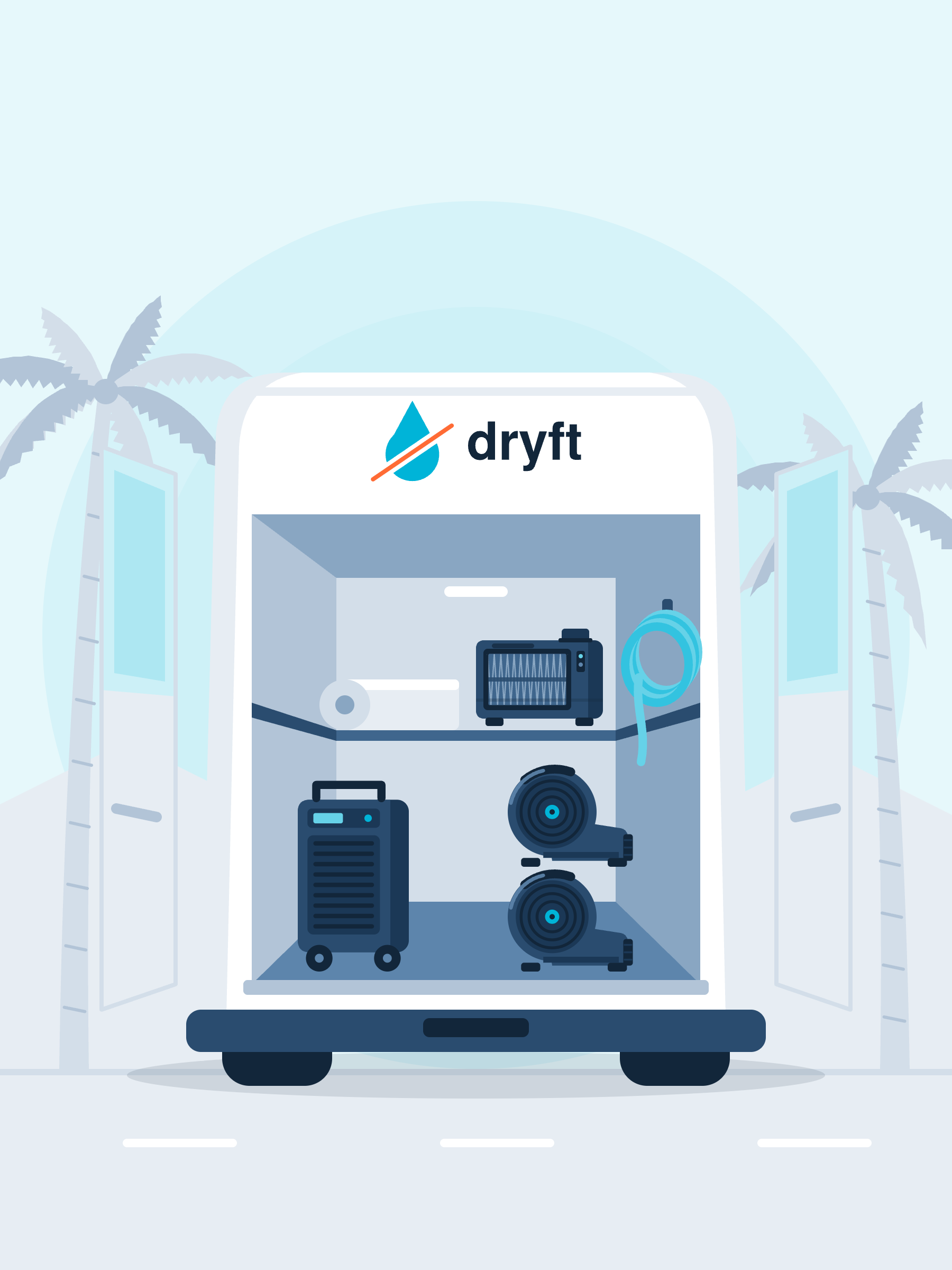
Serving Southern California
Crews across Los Angeles and the surrounding counties. Same crew, same standards, whether it’s a one-room leak or a whole-house fire.
Homes and small businesses. Houses, condos, apartments, offices and shops.
Landlords and property managers. One point of contact, written updates, and documentation your tenants and insurer can both use.
Not sure we reach you? Send your ZIP code in the form below and we’ll tell you straight away.
Questions people ask first
Short answers, with longer ones on the service pages and in our guides. Still not sure? Ask us.
-
Either. What matters most is stopping the damage; most policies expect you to take reasonable steps to keep it from getting worse. Call us for that, and open your claim the same day. How we work with your insurer →
-
No. In California an insurer may recommend a repair company only if you ask for one, or after telling you in writing that you have the right to choose your own (10 CCR §2695.9). If your written estimate is higher than theirs, they must pay the difference, name a repairer at their price, or adjust it reasonably.
-
Often three to five days. We go by moisture readings, not the calendar, and stop when materials reach their dry standard. What got wet, how much, and the weather all change it. How long water damage takes to dry →
-
Usually, for clean-water losses. Areas with sewage are closed off until they are cleaned, and on mold jobs the work area is sealed under containment. After a fire, it depends on the smoke and soot; we tell you what we find before you decide. Cleaning up a house that didn’t burn →
-
It can, but the EPA doesn’t recommend it for routine cleanup, and dead mold can still cause reactions. Bleach doesn’t reach growth inside drywall or wood. The fix is removing the mold and the moisture that fed it. What actually works on mold →
-
You get a written estimate before any work beyond emergency mitigation. California caps the down payment on home-improvement work at $1,000 or 10% of the contract price, whichever is less, and we don’t ask for payment ahead of work performed. On insured losses we send the estimate and documentation to your adjuster. More in the insurance FAQ →
Guides for homeowners
Plain-language answers on water damage, fire and smoke, and mold. See all guides


Damage doesn't wait
For active water or fire damage, call (888) 927-9770 — it's the fastest way to reach us. For everything else, send the form and we'll call you back.
What happens next
We call you back. A few questions: what happened, when it started, whether the water and power are off, and whether anyone is in the home.
Emergency or not? Active water, fire, or a home you can't secure gets a crew. Anything else gets an inspection time that suits you.
Written estimate first. Non-emergency work starts only after you've seen the scope and price in writing. California caps any down payment at $1,000 or 10% of the price, whichever is less.
Documentation for your claim. Photos, moisture readings and a drying log, in the format adjusters expect. The claim stays yours.
Use the form for estimates, mold inspections, insurance paperwork questions, and landlord or property-manager requests.